What to Know Before Buying a New Construction Home in South Carolina
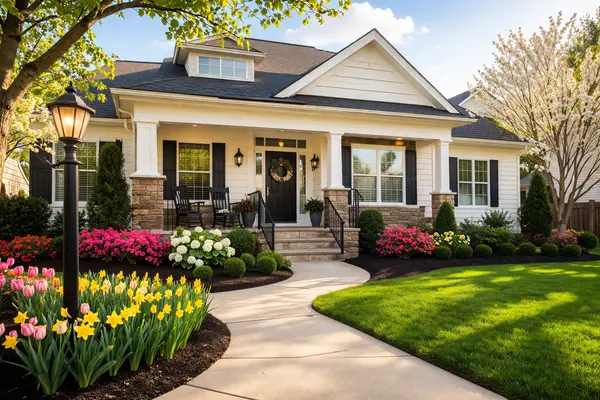
There is something exciting about walking into a brand-new home and knowing no one has lived there before. The floors are untouched, the appliances are new, the walls are freshly painted, and everything feels like a fresh start. For many buyers, new construction offers the dream of modern design, energy-efficient features, updated layouts, and fewer immediate repair concerns.
However, buying a new construction home is not the same as buying a resale home. The process can come with different timelines, contracts, decisions, costs, and expectations. Before you fall in love with the model home, it is important to understand what you are really stepping into.
The Builder’s Representative Represents the Builder
When you visit a new construction community, the friendly person in the sales office may be helpful, knowledgeable, and very good at answering questions. However, it is important to remember that the builder’s sales representative works for the builder.
That does not mean they are doing anything wrong. It simply means their responsibility is to represent the builder’s interests. As a buyer, having your own real estate agent can help you ask the right questions, review your options, compare incentives, and understand what is negotiable before you sign anything.
Also, in many cases, the builder may require your agent to be present or registered with you on your first visit. So before touring a new construction community on your own, it is wise to connect with your agent first.
Not Every Builder Is the Same
A beautiful model home can make almost anything look impressive. The furniture is perfectly placed, the lighting is just right, and somehow even the pantry looks like it has its life together. But beyond the design, buyers should look carefully at the builder’s reputation, quality of work, communication style, and history.
In South Carolina, buyers can verify licensing information through the South Carolina Residential Builders Commission and the SC LLR license lookup system, which is a smart step before moving forward with a builder.
Before choosing a builder, ask questions such as:
How long has the builder been building in South Carolina?
What warranties are included?
Are there completed homes you can tour?
What is the typical timeline?
How are delays handled?
Who will be your main point of contact during construction?
A new home is only as good as the process and people behind it.
The Base Price Is Not Always the Final Price
One of the biggest surprises buyers face with new construction is that the advertised price may not include everything they expect. The base price usually covers the standard version of the home, but upgrades, lot premiums, design selections, appliances, flooring, countertops, lighting, and exterior finishes may increase the final cost.
That gorgeous kitchen in the model home? It may be whispering “upgrade package.”
Before getting emotionally attached to a floor plan, ask for a clear breakdown of what is included in the base price and what costs extra. This helps you avoid building a dream home on paper that stretches your budget in real life.
Builder Incentives Can Be Helpful, But Read the Fine Print
Many builders offer incentives, especially when buyers use the builder’s preferred lender or closing attorney. These incentives may include closing cost assistance, rate buydowns, design credits, appliance packages, or other financial perks.
These offers can be valuable, but they should still be reviewed carefully. A buyer should compare the total loan terms, interest rate, fees, and long-term cost before choosing a preferred lender simply because an incentive is attached.
Sometimes the incentive is a great deal. Other times, it is worth comparing with outside financing options. The goal is not just to accept what looks attractive upfront, but to understand the full financial picture.
Timelines Can Shift
With new construction, patience matters. Weather, permitting, labor availability, supply delays, inspections, and material shortages can all affect the timeline. Even when a builder gives an estimated completion date, buyers should understand that it is not always guaranteed.
This is especially important if you are selling your current home, ending a lease, relocating, or trying to coordinate school schedules. A delay of a few weeks may not sound like a big deal until you realize your moving truck, lease, and closing date are all having a group meltdown.
Ask the builder what happens if the home is delayed, how often you will receive updates, and whether there are any contract protections related to timing.
Do Not Skip Inspections
Some buyers assume a brand-new home does not need an inspection because everything is new. That is a mistake. New does not automatically mean perfect.
A third-party inspection can help identify issues before closing. Depending on the stage of construction, buyers may want to consider a pre-drywall inspection, a final inspection before closing, and sometimes an additional inspection before the builder’s warranty period expires.
Even good builders can miss things. Inspections give buyers another layer of protection and peace of mind.
Understand the Warranty Before Closing
New construction homes often come with warranties, but buyers should understand exactly what is covered, how long coverage lasts, and how repair requests must be submitted. Warranty terms can vary, so it is important not to assume every issue will be covered the same way.
South Carolina also has laws related to construction defects and the process for giving contractors the opportunity to inspect, respond, or offer a remedy. Under South Carolina law, a contractor or subcontractor generally has 30 days from service of notice to inspect, offer to remedy, offer to settle, or deny a construction defect claim.
That is why documentation matters. Keep copies of your contract, warranty documents, inspection reports, repair requests, emails, and photos. If an issue comes up later, having a clear paper trail can make the process much smoother.
Pay Attention to the Lot, Not Just the House
The floor plan matters, but so does the lot. Before choosing a homesite, consider drainage, slope, privacy, traffic flow, surrounding lots, future construction, nearby amenities, and how the sun hits the home.
In some South Carolina communities, buyers should also ask about HOA rules, architectural guidelines, landscaping requirements, parking restrictions, rental restrictions, and community fees. These details can affect how you live in the home long after closing day.
A beautiful home in the wrong location within the community may not feel like the right fit later.
Know What Happens Before Closing
Before closing on a new construction home, buyers typically have a final walkthrough. This is the time to look carefully at the home and create a punch list of items that need attention. These may include paint touch-ups, cabinet adjustments, flooring issues, missing fixtures, door alignment, or other unfinished details.
Do not rush this step. Take your time. Open cabinets, test lights, run faucets, check appliances, look at walls and ceilings, and ask questions. You are not being difficult. You are being thorough, and thorough is expensive’s favorite enemy.
Work With Someone Who Understands the Process
Buying new construction can be a wonderful opportunity, but it is still a major financial decision. The process involves more than choosing a floor plan and waiting for keys. Buyers need to understand pricing, contracts, timelines, inspections, warranties, financing, incentives, and long-term community details.
The right guidance can help you move through the process with more confidence and fewer surprises.
If you are thinking about buying a new construction home in South Carolina, start by getting clear on your budget, your timeline, and the type of home that truly fits your lifestyle. A brand-new home can be a beautiful beginning, but the smartest buyers know that preparation is what makes the process feel less overwhelming and more rewarding.
Categories
Recent Posts