Questions to Ask Before Buying a New Build
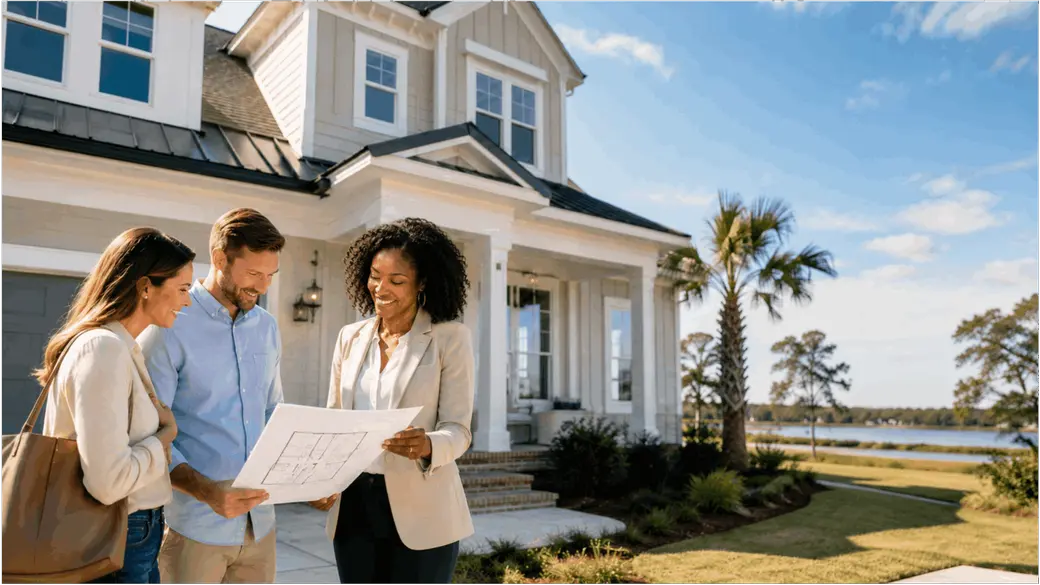
Buying a brand-new home has a special kind of excitement attached to it. Fresh paint, untouched countertops, modern finishes, new appliances, and that beautiful feeling of knowing no one else has lived there before. It is the real estate version of opening a fresh notebook and promising yourself this one will stay organized.
But as exciting as new construction can be, it is still a major investment. The model home may be beautifully staged, the community may look picture-perfect, and the builder may be offering incentives that sound hard to pass up. Still, before you sign anything, it is important to ask the right questions.
New construction is not just about choosing a floor plan and picking finishes. There are timelines, contracts, warranties, inspections, upgrades, financing terms, HOA rules, and builder policies to understand. The more informed you are upfront, the more confident you can feel throughout the process.
So before you fall completely in love with the kitchen island — because yes, they know exactly how to make those islands look irresistible — here are important questions to ask before buying a new build.
-
What Is Included in the Base Price?
One of the first questions every buyer should ask is, “What exactly comes with the base price?”
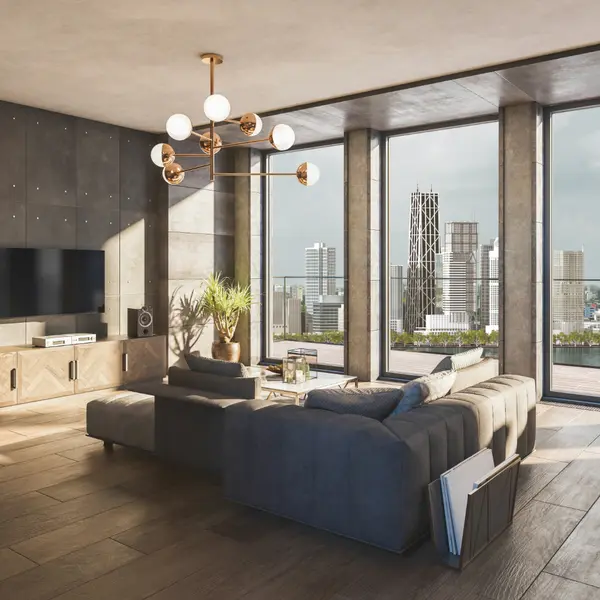
This matters because the price you see advertised may not include everything you see in the model home. Model homes are designed to impress, and they often include premium upgrades, designer finishes, enhanced lighting, upgraded flooring, extended patios, luxury appliances, and custom details.
In other words, the model home is usually dressed for the red carpet. The base model may be a little more casual.
Ask the builder for a clear list of standard features. This should include flooring, countertops, cabinets, appliances, fixtures, exterior finishes, landscaping, and any included smart home or energy-efficient features.
Also, ask which features in the model home are upgrades. This will help you understand the real cost of building or buying the home the way you actually want it.
-
Which Upgrades Are Worth Considering?
Upgrades can add personality, function, and long-term value to a new home. However, they can also increase the final price quickly.
Before selecting every shiny option in the design center, ask which upgrades are most popular, which ones may add resale value, and which ones are harder or more expensive to add later.
For example, structural upgrades may be worth considering early because they are difficult to change after construction. These may include extra rooms, extended living areas, additional bathrooms, covered patios, or garage expansions.
Cosmetic upgrades, such as cabinet hardware, light fixtures, and certain décor finishes, may be easier to change later depending on your budget and priorities.
A good question to ask is: “Which upgrades do most buyers regret skipping, and which ones can wait?”
That one question alone can save you from spending money in places that do not matter as much.
-
What Is the Estimated Timeline?
New construction timelines can vary depending on whether you are buying a move-in ready inventory home or building from the ground up.
A move-in ready home may be available much sooner. A to-be-built home can take several months, and delays can happen because of weather, material availability, permits, inspections, or labor schedules.
Ask the builder for an estimated completion date, but also ask how often delays happen and how they communicate updates.
Good questions include:
“What is the current estimated completion date?”
“What could delay the timeline?”
“How often will I receive construction updates?”
“What happens if the home is not completed on time?”
This is especially important if you are selling a current home, relocating, ending a lease, or trying to move before a specific date.
-
Can I Use My Own Real Estate Agent?
Yes, and you should ask this question early.
Many buyers assume they can walk into a builder’s sales office, tour a model home, and bring their own agent later. However, some builders have registration policies that require your agent to be present or listed during your first visit.
This is one of those details buyers often do not know until it is too late.
The builder’s sales representative is there to assist you, but they represent the builder. Your real estate agent represents your interests. That difference matters.
Your agent can help you compare communities, review incentives, understand pricing, ask important questions, evaluate resale considerations, and guide you through the process from a buyer’s perspective.
Before visiting a new construction community, ask your agent to go with you or contact the builder ahead of time. It is a small step that can make a big difference.
-
What Builder Incentives Are Available?
Builder incentives can be a major advantage when buying new construction. Depending on the market and the builder, incentives may include closing cost assistance, interest rate buydowns, design center credits, appliance packages, or price reductions on select homes.
However, it is important to understand the details.
Ask:
“What incentives are currently available?”
“Do I have to use the builder’s preferred lender to receive them?”
“Are the incentives tied to a specific home, floor plan, or closing date?”
“Can the incentive be used toward closing costs, upgrades, or rate buydown?”
An incentive can sound amazing at first glance, but the fine print matters. Sometimes the better deal is not the flashiest one. A lower interest rate, for example, may be more valuable long-term than a design credit, depending on your financial situation.
-
Do I Have to Use the Builder’s Preferred Lender?
Many builders have preferred lenders, and they may offer incentives if you choose to use them. This can be beneficial, but it is still wise to compare your options.
Ask the preferred lender for a full loan estimate, including interest rate, fees, closing costs, and monthly payment. Then compare that with another lender if possible.
The goal is not just to look at the incentive. The goal is to understand the full financial picture.
A builder may offer money toward closing costs, but if the loan terms are not as favorable, you need to know that before making a decision.
Ask:
“What incentive is available if I use the preferred lender?”
“Can I still use my own lender?”
“Will using another lender affect my contract or timeline?”
“What are the estimated closing costs?”
This is where having your own agent and a trusted lender conversation can help you avoid surprises.
-
What Are the HOA Rules and Fees?
Many new construction communities have homeowners’ associations. An HOA can help maintain community standards, amenities, landscaping, and shared spaces. However, buyers should understand the rules before committing.
Ask about monthly or annual HOA dues, what those dues cover, and whether there are any community restrictions.
You may want to know about parking rules, rental restrictions, exterior changes, fencing guidelines, landscaping requirements, pet policies, and amenity access.
It is much better to find out before closing that your dream fence, boat parking, or short-term rental plan may not be allowed.
HOA rules are not necessarily a bad thing. They simply need to fit your lifestyle.
-
What Warranties Come With the Home
One of the benefits of buying a new build is that it usually comes with warranties. Still, warranties can vary by builder, so you should ask exactly what is covered and for how long.
Common warranty areas may include workmanship, materials, major systems, appliances, roofing, foundation, and structural components.
Ask:
“What warranties are included?”
“How long does each warranty last?”
“What is the process for submitting a warranty claim?”
“Who handles repairs after closing?”
“What items are not covered?”
A warranty can offer peace of mind, but only if you understand how it works. Keep all warranty documents in a safe place after closing because future-you will be grateful.
-
Can I Have a Home Inspection?
Some buyers assume a new home does not need an inspection because everything is brand new. That is understandable, but not always wise.
New does not automatically mean perfect.
A home is built by many different people, trades, and contractors. Even with quality construction, things can be missed. A third-party inspection gives you another set of professional eyes on the property before closing.
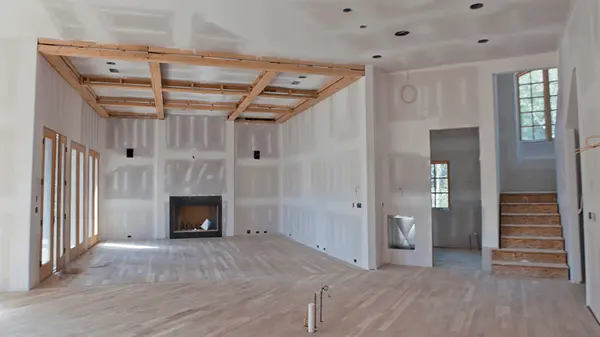
Ask whether you are allowed to have independent inspections during the process. Some buyers choose to have a pre-drywall inspection, a final inspection, or both.
A pre-drywall inspection happens before the walls are closed up, allowing certain systems and structural components to be reviewed. A final inspection happens closer to completion.
This is not about being difficult. It is about being thorough.
-
What Happens During the Final Walkthrough?
Before closing, buyers usually have a final walkthrough with the builder. This is your opportunity to review the home, ask questions, and identify items that may need attention.
Ask what the walkthrough includes, how long it takes, and how the builder handles unfinished or corrected items.
You may hear the term “punch list.” This is a list of items that need to be completed or repaired before or shortly after closing.
Examples may include paint touch-ups, cabinet adjustments, door alignment, appliance checks, landscaping corrections, or minor cosmetic fixes.
Ask:
“When will the final walkthrough take place?”
“How are punch list items documented?”
“Will all repairs be completed before closing?”
“What happens if something is discovered after move-in?”
The final walkthrough is not the time to rush. Bring your questions, take notes, and pay attention.
-
What Are the Community Plans for the Future?
When buying in a new construction community, you are not just buying the home. You are also buying into the future of the neighborhood.
Ask about the full community plan. How many homes will be built? Will there be future phases? Are amenities planned? Will there be commercial development nearby? Are roads, entrances, or common areas still under construction?
This can affect your experience after moving in.
For example, if you buy in an early phase, you may deal with construction traffic for a while. On the other hand, early buyers may sometimes get access to better pricing before later phases increase.
Ask:
“How many phases are planned?”
“When will the community be fully completed?”
“What amenities are planned?”
“Are there future commercial or road developments nearby?”
“What lots or phases are available now?”
Understanding the bigger picture helps you make a smarter decision.
-
What Lot Should I Choose?
The lot you choose can affect your privacy, yard space, natural light, future resale, and overall enjoyment of the home.
Ask about lot premiums, drainage, grading, easements, setbacks, and what will be built around or behind the home.
A lot may look perfect on paper, but you need to understand its surroundings. Will it back up to trees, another home, a road, a pond, or future construction? Is it near the entrance, amenities, mailboxes, or a busy corner?
Also, ask whether certain lots come with additional costs. A larger lot, cul-de-sac lot, wooded lot, or water-view lot may have a premium.
The right lot depends on your priorities. Some buyers want privacy. Others want convenience. Some want a bigger backyard. Others want less maintenance.
There is no one-size-fits-all answer, which is exactly why it is worth discussing before choosing.
-
What Are the Estimated Property Taxes?
Property taxes on new construction can be tricky because the current tax estimate may be based on the land only or a previous assessed value, not the completed home.
Ask for an estimate of what taxes may look like after the home is fully assessed.
This is important because your monthly payment could change once the property is reassessed. You do not want to fall in love with a payment that is not realistic long-term.
Ask:
“What are the current estimated property taxes?”
“Are those taxes based on the completed home?”
“When could the home be reassessed?”
“How might that affect my monthly payment?”
A little clarity here can prevent a big surprise later.
-
Are There Any Restrictions on Renting the Home?
Even if you plan to live in the home, it is still smart to ask about rental restrictions. Life changes. Jobs change. Family needs change. Investment plans change.
Some communities limit short-term rentals. Others may restrict long-term rentals or require approval. Certain loan types may also have occupancy requirements.
Ask the builder or HOA:
“Are rentals allowed?”
“Are short-term rentals restricted?”
“Is there a minimum lease period?”
“Are there caps on how many homes in the community can be rented?”
Even if renting is not part of your current plan, it is useful to know your options.
-
What Should I Know Before Signing the Contract?
Builder contracts are different from standard resale contracts. They are often written by the builder and may include terms that heavily protect the builder’s process, timeline, and policies.
Before signing, ask for time to review the contract carefully. You want to understand deposits, cancellation policies, financing deadlines, construction timelines, change order rules, warranty terms, and what happens if delays occur.
Ask:
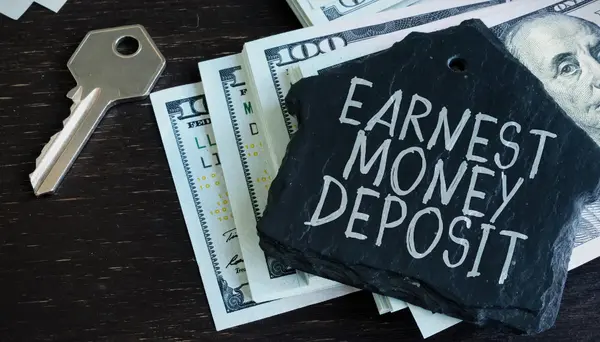
“How much is the deposit?”
“Is the deposit refundable?”
“What happens if financing falls through?”
“Can I make changes after signing?”
“What fees are due upfront?”
“What happens if construction is delayed?”
“What happens if I need to cancel?”
This is a major purchase. You are allowed to slow down and read the details.
Conclusion
Buying a new construction home can be a wonderful experience. You get the opportunity to enjoy modern design, updated features, energy-efficient options, and a home that feels fresh from day one.
However, the best new construction experience starts with the right questions.
Before you choose a floor plan, sign a contract, or get swept away by the model home’s perfect lighting, take time to understand what is included, what costs extra, how the timeline works, what the builder requires, and how the community will develop over time.
A new build can be beautiful, but an informed purchase is even better.
And if you are thinking about buying a new construction home in South Carolina, having a real estate professional by your side can help you compare options, ask the right questions, and move forward with confidence.
After all, the goal is not just to buy a new house. The goal is to buy the right home, in the right community, with a clear understanding of what comes next.
Categories
Recent Posts